Featured
See This Report on Maintaining a Healthy Spending Strateg...
Get This Report about Everything Must Prepare For During ...
More About "Bankruptcy Ruins Your Life" and More Myths
Table of Contents
That maximizes cash in the brief term, and you may have 3 to four years to conserve toward the negotiation amount. Really damaging to credit history, mostly as a result of missed payments and an unfavorable "cleared up" mark that might stay on your credit rating record for up to 7 yearsMay be only option if various other options (debt combination, balance transfer credit report cards, financial debt mercy) aren't possibleTypically calls for a charge to the 3rd event, which can counter some or all of the financial savings from financial debt settlementMay help you avoid bankruptcy if you have actually missed out on numerous paymentsNot all creditors function with financial debt settlement firms Debt mercy might be best for you if you are experiencing an economic challenge that makes it virtually difficult to pay for your financial obligation balances.
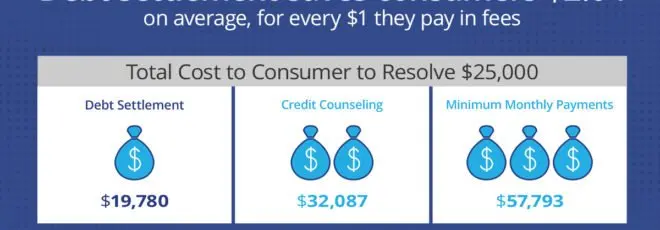
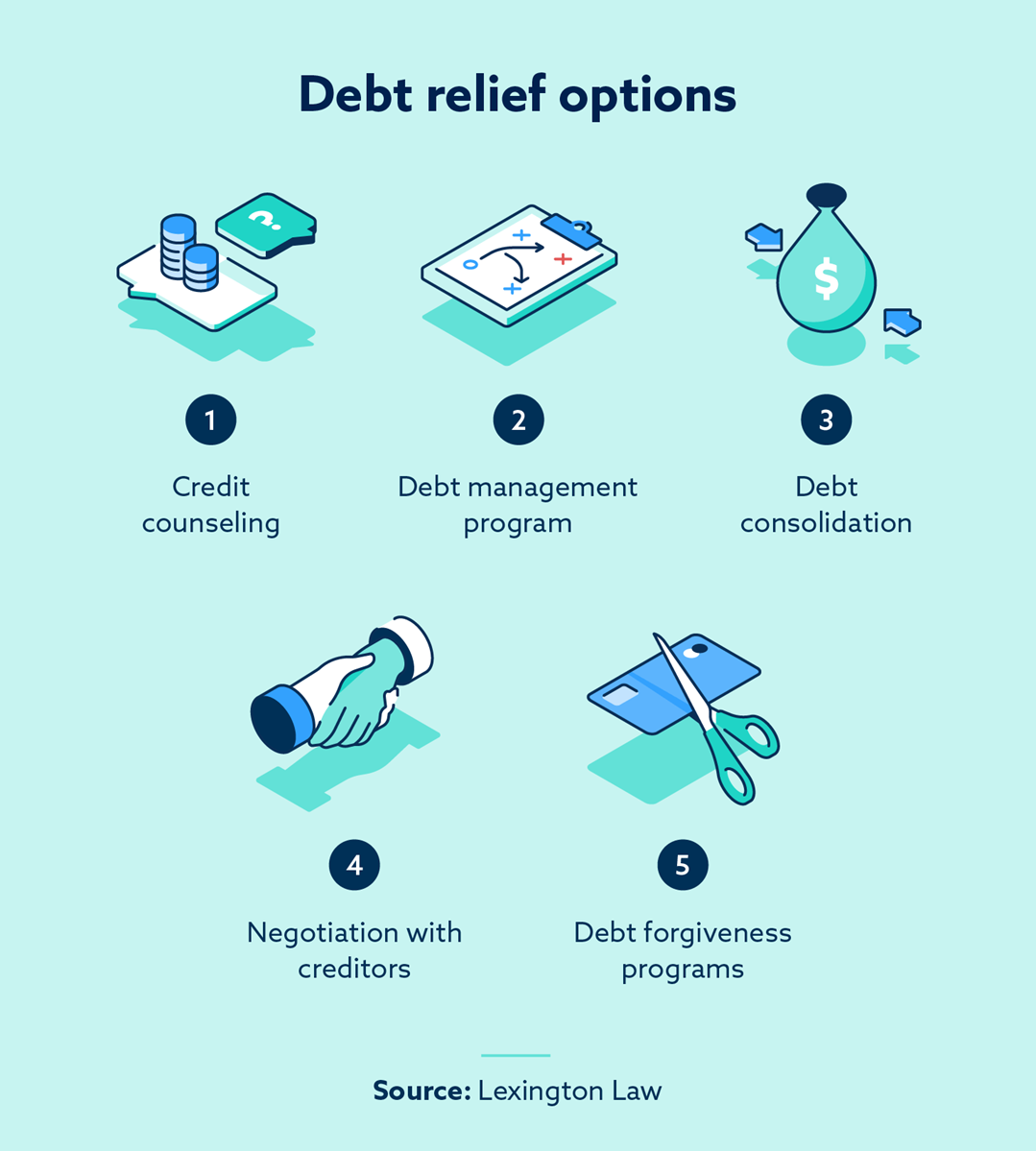
With a DMP, you make one monthly payment to the credit counseling firm. Those funds are then distributed to creditors of your unsafe financial debts, such as credit history cards and installment finances. The firm deals with your creditors to lower passion rates or waive costs, but some creditors may decline such giving ins.
It can assist you pay down financial debt if you're able to secure a finance rate that's lower than the average price of the accounts you're settling. You must refrain from racking up financial obligation on those newly cleared accounts or your debt might grow also higher.
That provides you lots of time to eliminate or substantially reduce your equilibrium while making interest-free settlements.
Not known Details About Pricing Clarity That Reputable Providers Don't Have
You may require it if your creditor or a debt collection agency ever before tries to gather on the financial debt in the future. The letter can verify you do not owe what the collection agency's documents reveal. Yes, in many instances, the internal revenue service takes into consideration forgiven financial debt as taxed earnings. When a loan provider forgives $600 or more, they are required to send you Type 1099-C.
Financial debt mercy or negotiation usually harms your debt. Anytime you work out a debt for much less than you owe, it may show up as "resolved" on your credit report and affect your credit rating for seven years from the day of settlement. Your credit history can additionally drop considerably in the months bring about the mercy if you fall back on payments.
9 Easy Facts About Understanding Your Legal Options Related to Debt Forgiveness Explained
Tax obligation financial debt compromise programs Tax obligation debt occurs when the quantity of tax obligations you owe surpasses what you have paid. This situation often arises from underreporting earnings, not filing returns promptly, or discrepancies discovered throughout an IRS audit. The consequences of collecting tax financial debt are severe and can consist of tax liens, which provide the IRS a legal claim to your property as security for the debt.
Incomes and Financial institution Accounts IRS can levy (take) wages and financial institution accounts to satisfy the financial obligation. Building Seizure In severe instances, the IRS can seize and sell home to cover the financial obligation.
Depression, stress and anxiety, and other mental health and wellness issues. Social Stigma Facing lawsuit from the IRS can lug social stigma. Damage to online reputation and relationships. Employment Opportunities A bad credit report because of exhaust debt can limit employment chances. Trouble searching for or keeping a task. Government Advantages Tax financial debt may affect qualification for federal government benefits, such as Social Protection and Medicaid.
7 Easy Facts About Government Resources for Debt Relief Described
The OIC takes into consideration several elements, consisting of the taxpayer's revenue, expenses, property equity, and capability to pay. Effectively bargaining an OIC can be complicated, calling for a complete understanding of the IRS's guidelines and a solid argument for why your offer lines up with your capacity to pay. It is very important to keep in mind that not all applications are approved, and the procedure calls for detailed monetary disclosure.
The internal revenue service assesses your general monetary situation, including your earnings, costs, possession equity, and ability to pay. You must likewise be present with all filing and payment demands and not be in an open insolvency case. The IRS also considers your conformity background, evaluating whether you have a record of timely declaring and paying taxes in previous years.
Comparing Debt Relief Companies in Today's Market Fundamentals Explained
The application procedure for a Deal in Concession entails several thorough actions. First, you should complete and send IRS Type 656, the Offer in Concession application, and Kind 433-A (OIC), a collection information statement for individuals. These types call for comprehensive economic info, including information about your income, debts, expenditures, and assets.
Back taxes, which are unpaid tax obligations from previous years, can dramatically boost your total IRS debt if not resolved promptly. This debt can accrue interest and late payment fines, making the initial quantity owed a lot larger with time. Failure to pay back taxes can lead to the internal revenue service taking enforcement actions, such as providing a tax lien or levy against your residential property.
It is vital to attend to back taxes asap, either by paying the total owed or by preparing a payment plan with the IRS. By taking proactive actions, you can prevent the buildup of additional interest and charges, and prevent much more aggressive collection actions by the internal revenue service.
One common factor is the belief that the taxpayer can pay the sum total either as a round figure or with a payment strategy. The IRS likewise thinks about the taxpayer's income, expenditures, property equity, and future earning capacity. If these variables suggest that the taxpayer can manage to pay greater than the offered amount, the IRS is most likely to decline the offer.
10 Easy Facts About Initial Impact on Personal Credit Score Described
It is vital to supply exact and complete details in your application and to consult with a tax obligation specialist to enhance the opportunities of acceptance. Taking care of internal revenue service financial debt can be intricate and complicated. Tax professionals, such as CPAs, tax lawyers, or signed up representatives, can provide important support. They have the know-how to navigate the intricacies of tax obligation law and internal revenue service treatments.

Table of Contents
Latest Posts
See This Report on Maintaining a Healthy Spending Strategy for Lasting Success
The Of Debtor Rights According to State Law

An Unbiased View of Regional Resources for Your Section 8 Housing Application Guide (Plus Counseling Support) : APFSC
More
Latest Posts
See This Report on Maintaining a Healthy Spending Strategy for Lasting Success
The Of Debtor Rights According to State Law
An Unbiased View of Regional Resources for Your Section 8 Housing Application Guide (Plus Counseling Support) : APFSC